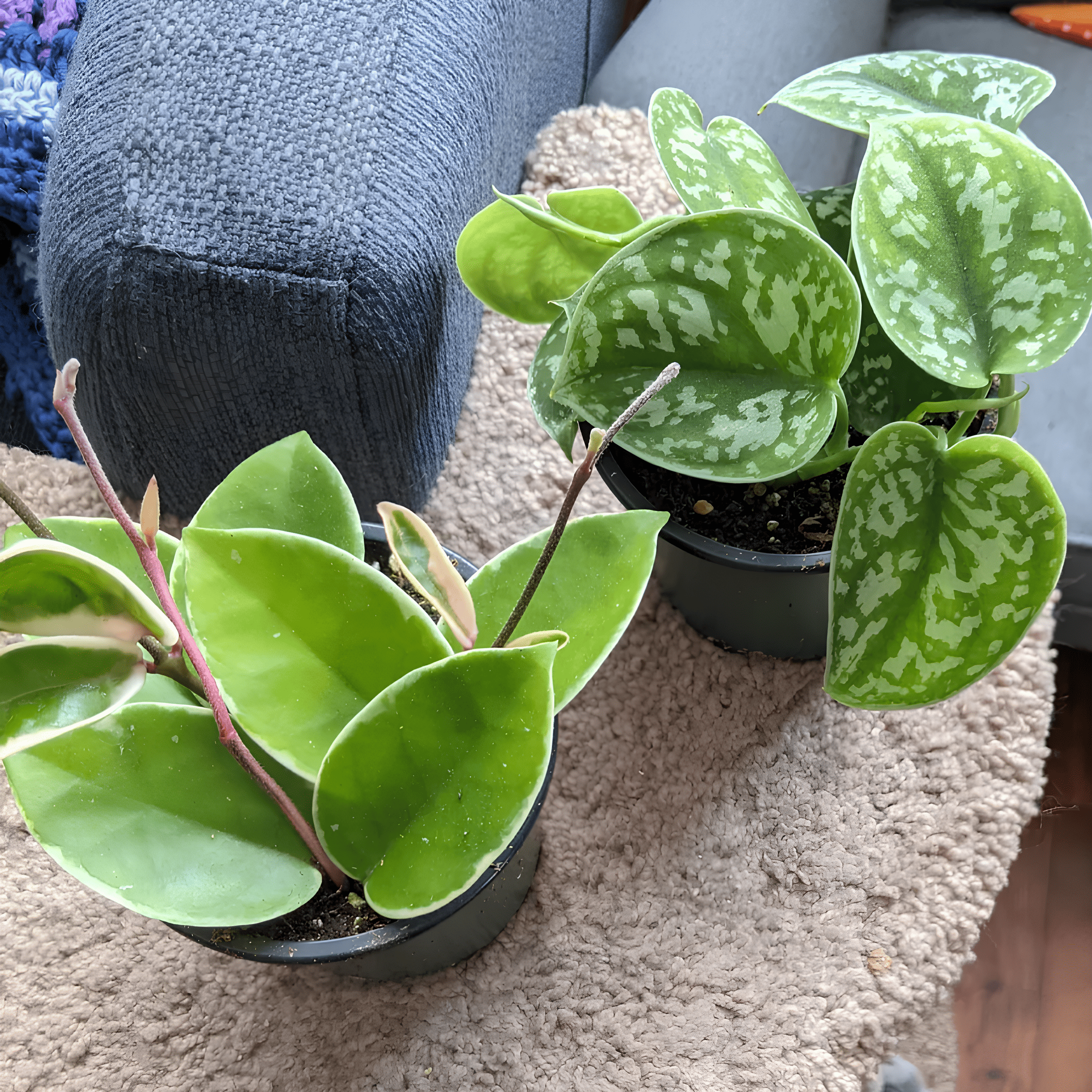
Ever stared at your Hoya and Pothos, wondering, “Can I plant Hoya and pothos together?” You’re not alone! This question pops up in plant circles all the time, and for good reason. These two stunners are absolute crowd-pleasers—lush, forgiving, and seriously photogenic. But do they actually work as roommates in the same pot? Spoiler: Yes, you can plant Hoya and Pothos together—and when you do it right, you’ll create a lush, low-maintenance indoor jungle that turns heads and makes your life easier.
Let’s dive deep into the how, why, and what-to-watch-out-for of pairing Hoya and Pothos in the same container. Whether you’re a seasoned plant parent or just getting your hands dirty for the first time, this guide will help you grow a thriving, Instagram-worthy combo—without the headaches.
Quick Answer: Can You Plant Hoya and Pothos Together?
Absolutely! Hoya and Pothos share similar light, temperature, and humidity needs, making them compatible companions for a single pot. With the right soil, watering routine, and a little thoughtful arrangement, you can enjoy their contrasting textures and growth habits in one beautiful display. Just remember: while they get along, they do have some quirks—so read on for all the must-know tips, troubleshooting, and pro secrets.
Why Plant Hoya and Pothos Together? (And Is It Actually a Good Idea?)
The Benefits
1. Shared Care Requirements: Both Hoya (the “wax plant”) and Pothos (“devil’s ivy”) thrive in bright, indirect light, warm temperatures, and moderate to high humidity. Their watering schedules are also similar—let the soil dry out a bit between waterings, and avoid soggy roots.
2. Humidity Boost: Pothos is a bit of a humidity hero, helping to keep the air moist around your Hoya. This can help both plants look their best, especially in dry indoor environments.
3. Pest and Disease Resistance: A mixed planting can sometimes deter pests. Pothos, for example, is known for being hardy and can help “dilute” pest pressure that might otherwise target a single species.
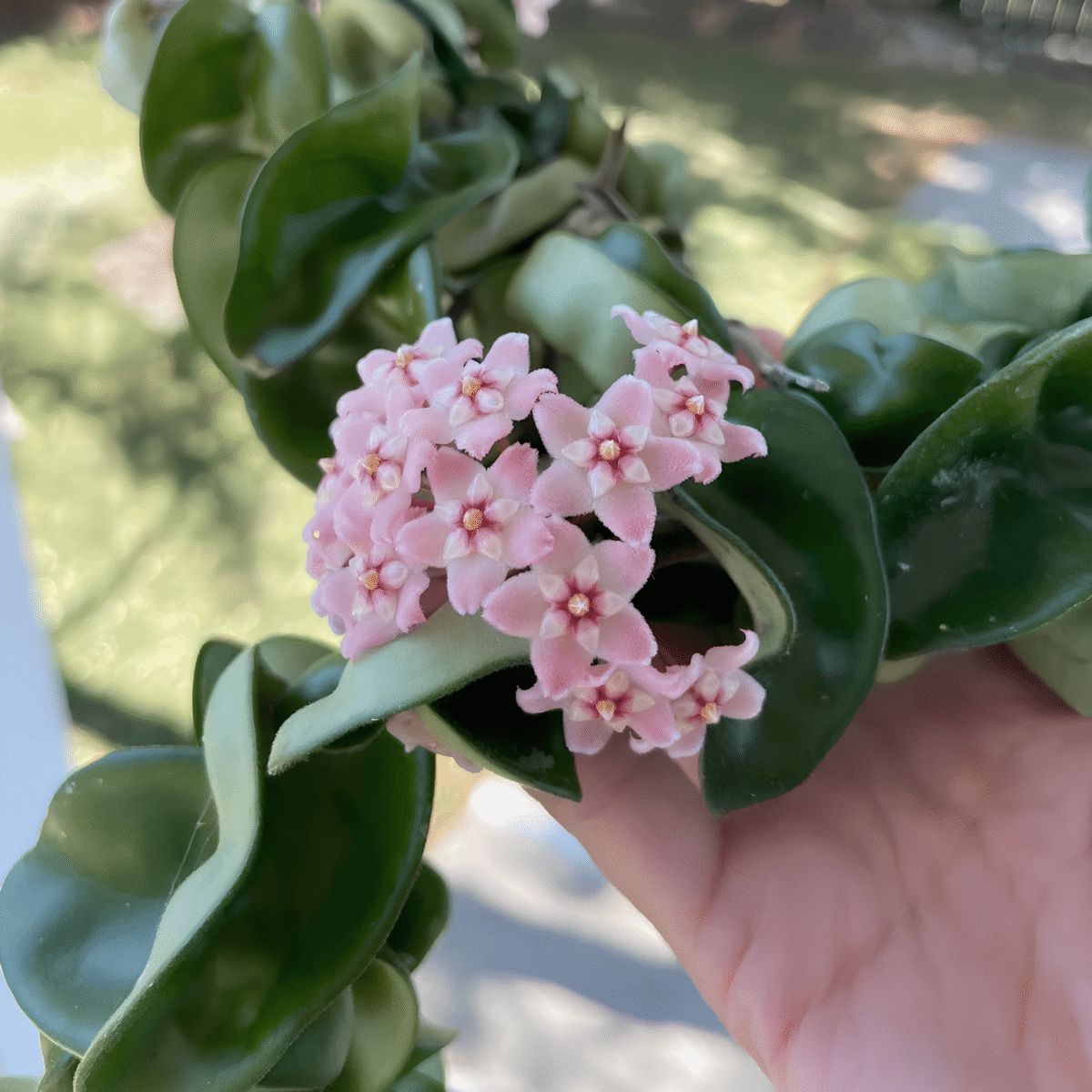
4. Visual Impact: The trailing, heart-shaped leaves of Pothos look fantastic paired with the thick, waxy foliage and climbing or trailing vines of Hoya. Together, they create a dynamic, layered look that’s hard to beat.
5. Space-Saving: If you’re tight on space or love the look of a full, overflowing planter, combining these two is a great way to maximize your plant real estate.
What You Need to Know Before You Start
Care Requirements: The Compatibility Checklist
Light
Both Hoya and Pothos prefer bright, indirect light. Direct sun can scorch their leaves, but too little light will slow their growth and dull their colors. A spot near an east or north-facing window is perfect. Both can tolerate lower light, but you’ll see the best growth (and maybe even Hoya blooms!) with plenty of filtered light.
Water
Here’s the golden rule: let the top inch or two of soil dry out before watering again. Both plants are sensitive to overwatering—root rot is the #1 killer. Hoya, in particular, likes to dry out a bit more between waterings, so always err on the side of underwatering. Use a moisture meter or stick your finger in the soil to check.
Soil
A chunky, well-draining mix is key. Think orchid bark, perlite, coconut coir, and a bit of standard potting soil. This mimics their native forest floor or epiphytic habitats and prevents soggy roots. Avoid heavy, moisture-retentive soils.
Temperature
Both plants are happiest in temperatures between 65–85°F (18–29°C). Avoid cold drafts and don’t let temps drop below 50°F (10°C) for long periods.
Humidity
Aim for 50–70% humidity. While both can survive in average indoor air, they’ll really thrive with a little extra moisture—especially Hoya. Grouping plants, using a pebble tray, or running a humidifier can help.
Step-by-Step: How to Plant Hoya and Pothos Together
1. Pick the Right Container
Choose a pot with drainage holes—this is non-negotiable. For a new planting, a 6–10 inch (15–25 cm) diameter pot is ideal for a small Hoya and Pothos pairing. If your plants are mature or you want a dramatic display, size up to 10–12 inches (25–30 cm). Too big, and the soil may stay wet too long; too small, and roots will crowd quickly.
2. Mix the Perfect Soil
Use a blend of coconut coir, perlite, orchid bark, and a bit of potting soil. You can buy a specialty “Aroid & Hoya Mix” or make your own: 1 part potting mix, 1 part orchid bark, 1 part perlite, ½ part coconut coir. The mix should feel chunky and airy, not dense or soggy.
3. Arrange for Success
Plant your Hoya near a support (like a trellis or stake) if you want it to climb, or let it trail from the edge for a cascading look. Place the Pothos around the edges or opposite side to balance the arrangement. Give each plant enough space so their roots don’t compete too aggressively right away.
4. Water Carefully
Water thoroughly after planting, then let the top inch or two dry out before watering again. Both plants prefer to err on the dry side—overwatering is the most common mistake.
5. Provide Bright, Indirect Light
Set your combo in a spot with plenty of indirect light. Rotate the pot every couple of weeks to keep growth even.
6. Maintain Humidity
If your air is dry, mist occasionally or use a pebble tray. Both plants will appreciate the extra moisture, especially in winter.
7. Fertilize Sparingly
Feed with a balanced, diluted houseplant fertilizer every 4–6 weeks during spring and summer. Skip or reduce feeding in fall and winter.
Managing Growth: Pruning, Maintenance, and Troubleshooting
Growth Rates: What to Expect
Pothos is a fast grower—seriously, it can put out a foot or more of vine per month in good conditions. Hoya, on the other hand, is much slower, especially when young or after repotting. Don’t panic if your Hoya seems to stall; it’s normal.
Pruning and Training
Trim your Pothos regularly to keep it from overtaking the Hoya. You can root the cuttings in water for new plants or compost them. For Hoya, prune to shape and remove any dead or leggy growth, but avoid heavy pruning—this can delay blooming.
Potential Problems (and How to Fix Them)
- Root rot: The #1 enemy. Always use well-draining soil and let the pot dry out a bit between waterings.
- Competing roots: If one plant starts to outgrow the other, consider dividing and repotting after a year or two.
- Light competition: Rotate the pot so both plants get their share of light.
- Pest outbreaks: Keep an eye out for mealybugs, spider mites, or aphids. Treat early with insecticidal soap or neem oil.
Advanced Tips & Real-World Wisdom
- Start with similar-sized plants: This prevents Pothos from smothering a baby Hoya.
- Don’t over-pot: Both plants prefer to be a little rootbound.
- Use supports: Give Hoya a trellis or hoop—this keeps it happy and prevents tangling with the Pothos.
- Observe and adjust: Every home environment is different. If one plant starts to struggle, consider separating them.
- Seasonal care: Water less in winter, and watch humidity levels. Both plants slow down in cold months, so don’t force growth.
Real Gardener Stories: Successes and Surprises
Many plant lovers have reported great success pairing Hoya with other houseplants—especially those with similar care needs. One gardener shared that their Hoya and companion plant both grew faster and looked healthier together than apart, likely due to the shared humidity and microclimate. Others have found that mixed plantings make for a fuller, more vibrant display and can even reduce pest problems. Of course, some trial and error is part of the fun—don’t be afraid to experiment!
Final Take: Should You Plant Hoya and Pothos Together?
If you want an easy-care, gorgeous, and space-saving plant display, pairing Hoya and Pothos is a winning move. Just follow the compatibility checklist, use the right soil, and keep an eye on watering. With a little love and attention, you’ll have a show-stopping indoor jungle that’s the envy of all your plant-loving friends.
Happy planting! Got questions or want to share your own Hoya & Pothos story? Drop them in the comments—I’d love to hear from you.
FAQ
Pothos grows faster, so regular pruning is key. Start with similar-sized plants and trim Pothos as needed.
A chunky, well-draining mix—think orchid bark, perlite, coconut coir, and a little potting soil.
Yes! Both root easily in water or moist, well-aerated soil. Just keep humidity high and avoid crowding.
For small plants, 6–8 inches. For larger combos, 10–12 inches. Always ensure drainage holes.
Place Hoya near a support and Pothos around the edge for a balanced, layered look.
Overwatering and root competition. Use chunky soil, don’t overwater, and repot if one plant gets crowded out.
Absolutely! Both trail beautifully. Just make sure the basket drains well.